
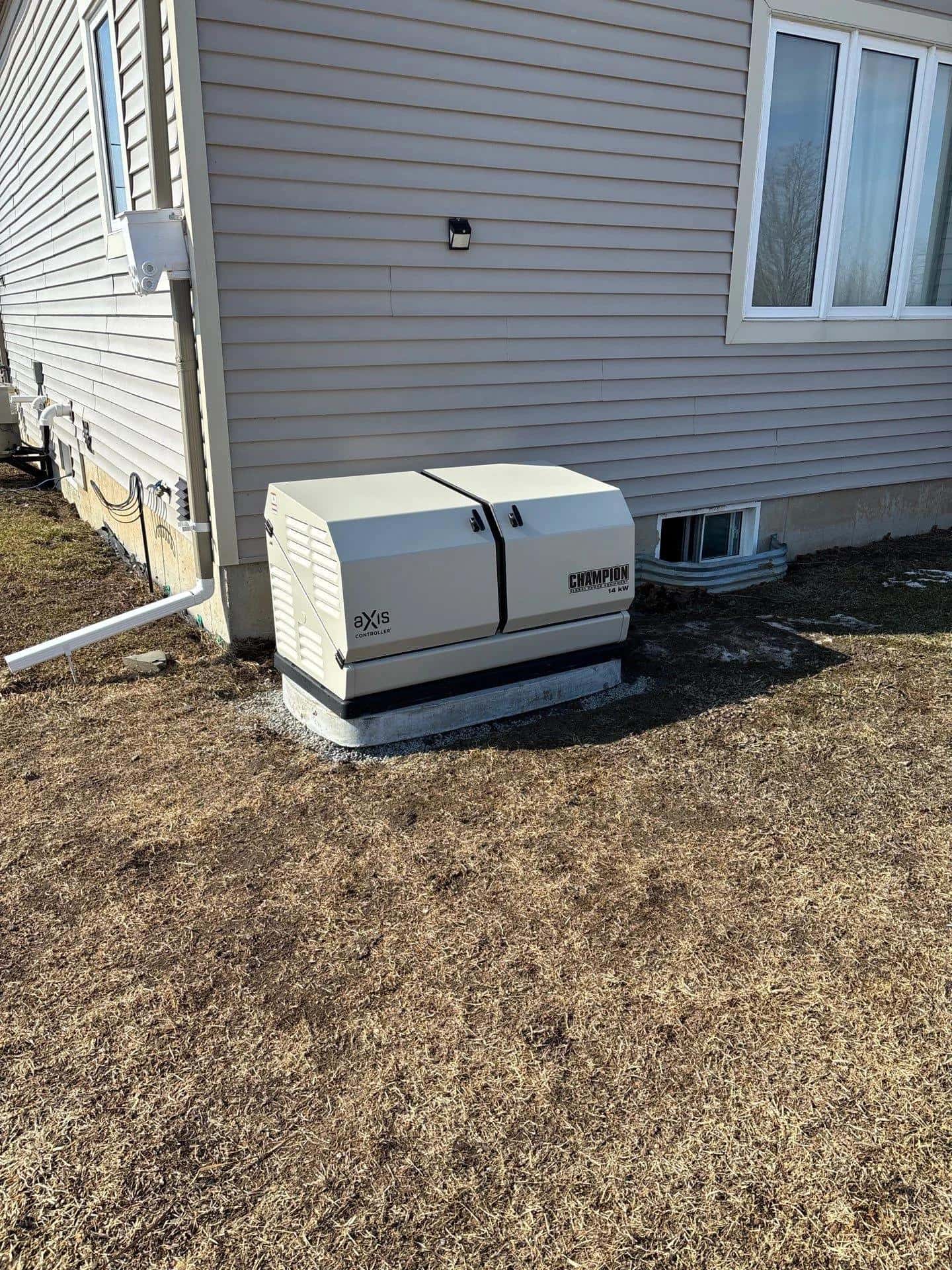
Generator Sizing Guide: What Size Generator Does Your Hamilton Home Need?
Selecting the correct size for a whole-home generator is one of the most important decisions in the buying process. An undersized generator will overload and shut down when you need it most, while an oversized unit wastes money on capacity you will never use. The good news is that figuring out the right size for your Hamilton home is a straightforward process when you understand the basics. Here is how to calculate what you need.
Understanding Kilowatts and Your Electrical Load
Generator capacity is measured in kilowatts. Your home electrical system has a maximum capacity determined by the size of your electrical panel, but your actual running load at any given time is usually much less than the panel maximum. A typical Hamilton home with a 200-amp panel has a theoretical maximum of about 48 kW, but the average running load for a 1,500 to 2,500 square foot home is usually between 8 kW and 16 kW depending on what appliances and systems are operating. The goal of generator sizing is to match the generator to your realistic running load plus a safety margin, not to the full panel capacity.
Common Appliance Power Requirements
To estimate your load, start by listing the appliances and systems you want to keep running during an outage. A gas furnace typically draws 500 to 800 watts for the blower motor. A central air conditioning system can pull 3,000 to 5,000 watts depending on size. Your refrigerator uses about 100 to 400 watts. A sump pump draws 800 to 1,500 watts. A well pump might need 1,000 to 2,000 watts. Kitchen appliances like an electric stove or oven can draw 2,000 to 5,000 watts. Lighting for the whole house usually runs 500 to 1,500 watts total. Also factor in electronics, a hot water tank if electric, and any specialized equipment like medical devices or a home workshop.
Sizing by Home Size: General Guidelines
While every home is different, some general guidelines based on common Hamilton home sizes can give you a starting point. A small to medium home of 1,000 to 1,500 square feet with gas heating and hot water typically needs a 10 kW to 14 kW generator to cover essentials plus some comfort loads. A medium home of 1,500 to 2,500 square feet usually falls in the 14 kW to 20 kW range, especially if central air conditioning is on the priority list. Larger homes of 2,500 to 4,000 square feet, or homes with electric heating, electric hot water, and multiple high-draw appliances, should look at 20 kW to 26 kW units. These are broad ranges and your actual needs could vary based on your specific appliance mix.
The Role of Load Management
Modern generators and transfer switches often include load management features that can effectively increase the usable capacity of a smaller generator. Load management works by intelligently prioritizing which circuits receive power. For example, the system might temporarily pause the air conditioning compressor while the electric dryer is running, then restore it once the dryer cycle ends. Brands like Briggs & Stratton with their Symphony II system and Generac with their smart load management modules do this automatically. This technology means you may be able to choose a smaller, less expensive generator without sacrificing coverage of your key circuits.
Why a Professional Load Calculation Matters
Online sizing calculators provide a rough estimate, but a professional load calculation done at your home gives you accurate numbers. A licensed electrician will inspect your electrical panel, identify every circuit and its typical draw, note which appliances have high startup surges that exceed their running watts, and account for seasonal variations such as air conditioning in summer versus heating in winter. This detailed assessment ensures the generator you purchase is properly matched to your home, preventing both undersizing and unnecessary overspending.
At Remarkable Electric, every generator consultation starts with a thorough load calculation at your Hamilton or Niagara home. We walk you through exactly what the generator will power, explain your options across different sizes and brands, and make sure you understand the trade-offs before you commit. There is no charge for the consultation and no pressure to buy. Contact us to schedule your free sizing assessment and find out exactly what your home needs.
Related Articles
• How Much Does a Whole-Home Generator Cost in Ontario?
• Do I Need a Whole-Home Generator? 5 Signs It's Time
• Electrical Load Management: Why Your Home's Electrical System Might Be Overloaded
Our licensed electricians are ready to help. Same-day response, flat-rate pricing, lifetime warranty.
Learn More about Backup Power & Generators →Free Estimate
Flat-Rate Pricing. No Surprises. Same-Day Response.
Call Us
(289) 210-5221Service Area
Hamilton, Niagara & Southern Ontario
Hours
Open 24 hours, 7 days a week
Our Promise
Satisfaction Guaranteed or We Come Back Free