
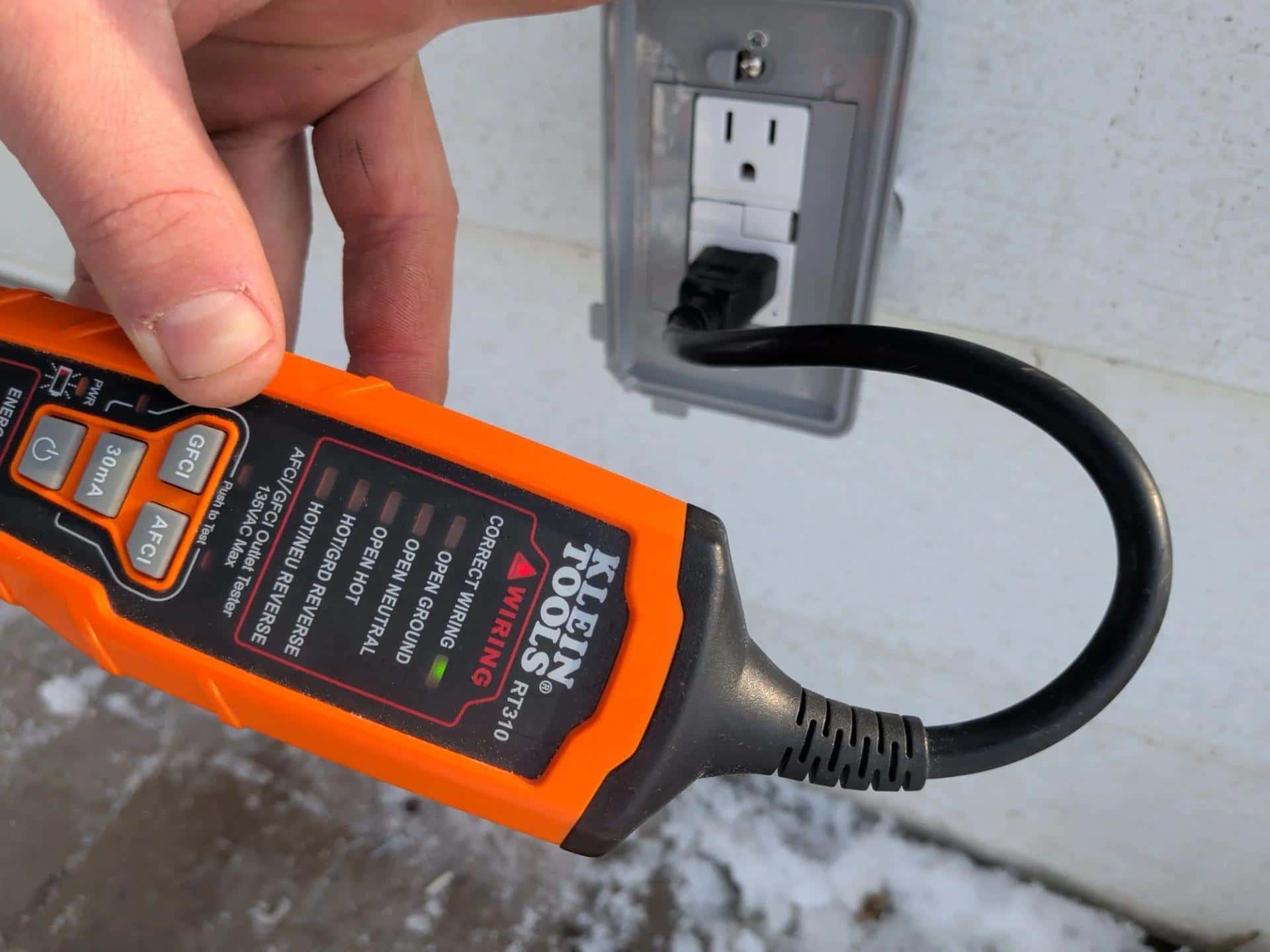
Arc Fault Breakers (AFCIs): The Life-Saving Technology Your Home Might Be Missing
What Is an Arc Fault and Why Is It Dangerous?
An arc fault occurs when electricity jumps across a gap in a damaged or deteriorated wire, creating an intense burst of heat. This can happen inside walls where you cannot see it, caused by something as common as a nail driven through a wire during a renovation, a rodent chewing on wiring, or simply age-related insulation breakdown. The temperatures generated by an arc fault can easily ignite surrounding wood, insulation, or other combustible materials. What makes arc faults particularly insidious is that they often occur in small, intermittent bursts that do not draw enough current to trip a standard circuit breaker.
How AFCI Breakers Work
An Arc Fault Circuit Interrupter breaker monitors the electrical waveform on a circuit and uses electronic sensors to distinguish between normal arcing, like the small sparks when you flip a light switch, and dangerous arcing caused by damaged wiring. When it detects the signature pattern of a hazardous arc, it shuts off the circuit in a fraction of a second. This is fundamentally different from a standard breaker, which only responds to overcurrent or short circuits. An AFCI adds a layer of fire protection that a standard breaker simply cannot provide.
AFCIs vs GFCIs: Understanding the Difference
Homeowners sometimes confuse AFCIs with GFCIs, but they protect against entirely different hazards. A GFCI, or Ground Fault Circuit Interrupter, detects current leaking to ground, which is a shock hazard, and is required in wet areas like bathrooms and kitchens. An AFCI detects dangerous arcing, which is a fire hazard, and is required in living spaces like bedrooms and living rooms. Some locations may benefit from both types of protection. Combination AFCI/GFCI breakers are available and provide dual protection on a single circuit.
Ontario Code Requirements for AFCIs
The Canadian Electrical Code, which Ontario follows, has progressively expanded the requirement for AFCI protection over the past several code cycles. Currently, AFCI breakers are required on most 15 and 20-amp circuits in bedrooms and many other living areas in new construction and major renovations. While existing homes are not required to retrofit AFCIs unless renovation triggers the requirement, many homeowners choose to upgrade proactively given the significant fire safety benefit. The cost of AFCI breakers has decreased as they have become more widely adopted.
Retrofitting AFCIs in Older Homes
For homes in Hamilton and across Ontario that were built before AFCI requirements existed, retrofitting is straightforward if your panel uses breakers that are available in AFCI versions. The electrician simply replaces the standard breaker with an AFCI breaker on the circuits you want to protect. The existing wiring does not need to be changed. In some older panels, particularly those with obsolete breaker formats, a panel upgrade may be necessary to accommodate modern AFCI breakers. This is another reason why aging panels should be evaluated and potentially replaced.
Protect Your Home and Family
Arc fault protection is one of the most impactful safety upgrades you can make to an existing home. Remarkable Electric installs and retrofits AFCI breakers for homeowners throughout Hamilton, Burlington, Grimsby, and the Niagara region. If your home was built before AFCI requirements came into effect, we strongly encourage you to explore this upgrade. Contact Remarkable Electric today to discuss AFCI protection for your home.
Related Articles
• GFCI Outlets: Why They Matter and Where You Need Them in Your Ontario Home
• Is Your Electrical Panel Keeping Up? Signs You Need a Panel Upgrade
• Aluminum Wiring in Your Home: Risks, Solutions, and What Hamilton Homeowners Should Do
• Electrical Safety Upgrades Every Homeowner Should Consider
Our licensed electricians are ready to help. Same-day response, flat-rate pricing, lifetime warranty.
Learn More about Panel Upgrades →Free Estimate
Flat-Rate Pricing. No Surprises. Same-Day Response.
Call Us
(289) 210-5221Service Area
Hamilton, Niagara & Southern Ontario
Hours
Open 24 hours, 7 days a week
Our Promise
Satisfaction Guaranteed or We Come Back Free